
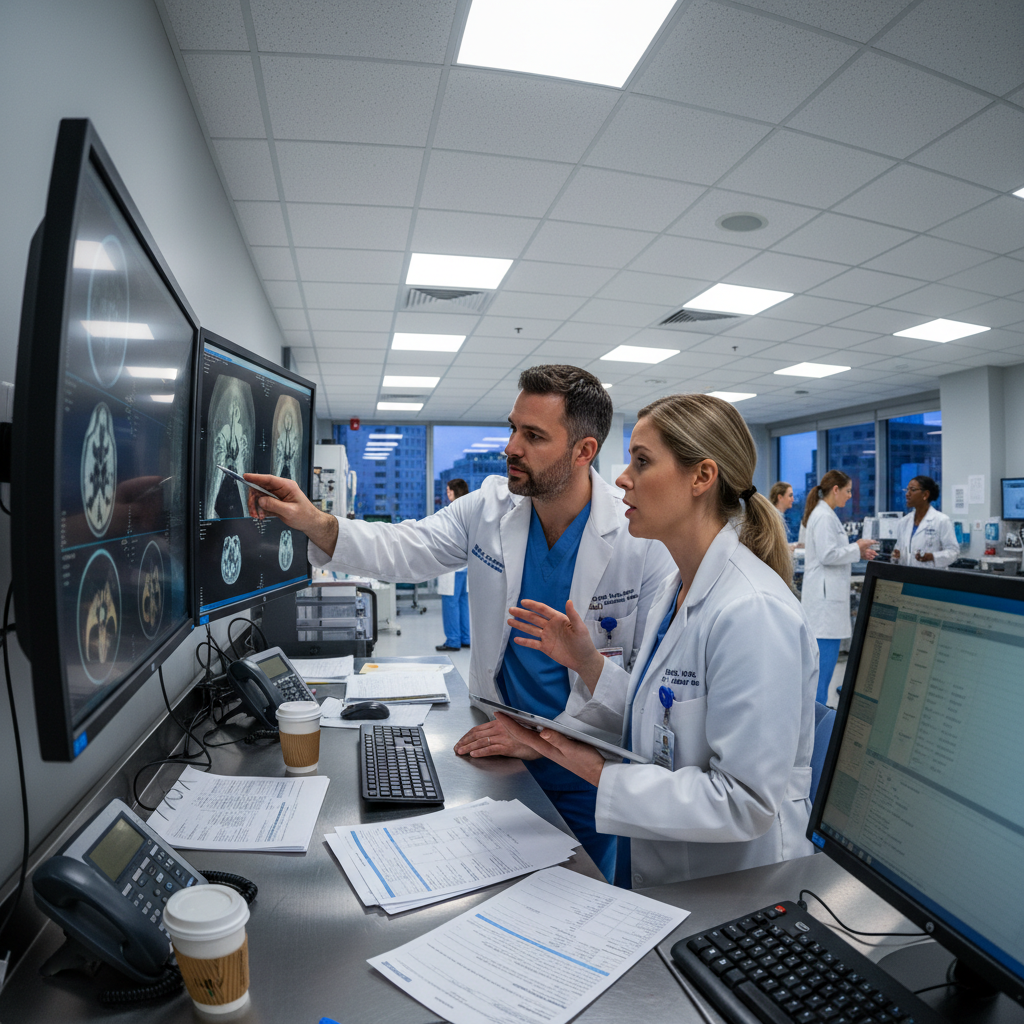

Every breakthrough started with someone who refused to stop looking.
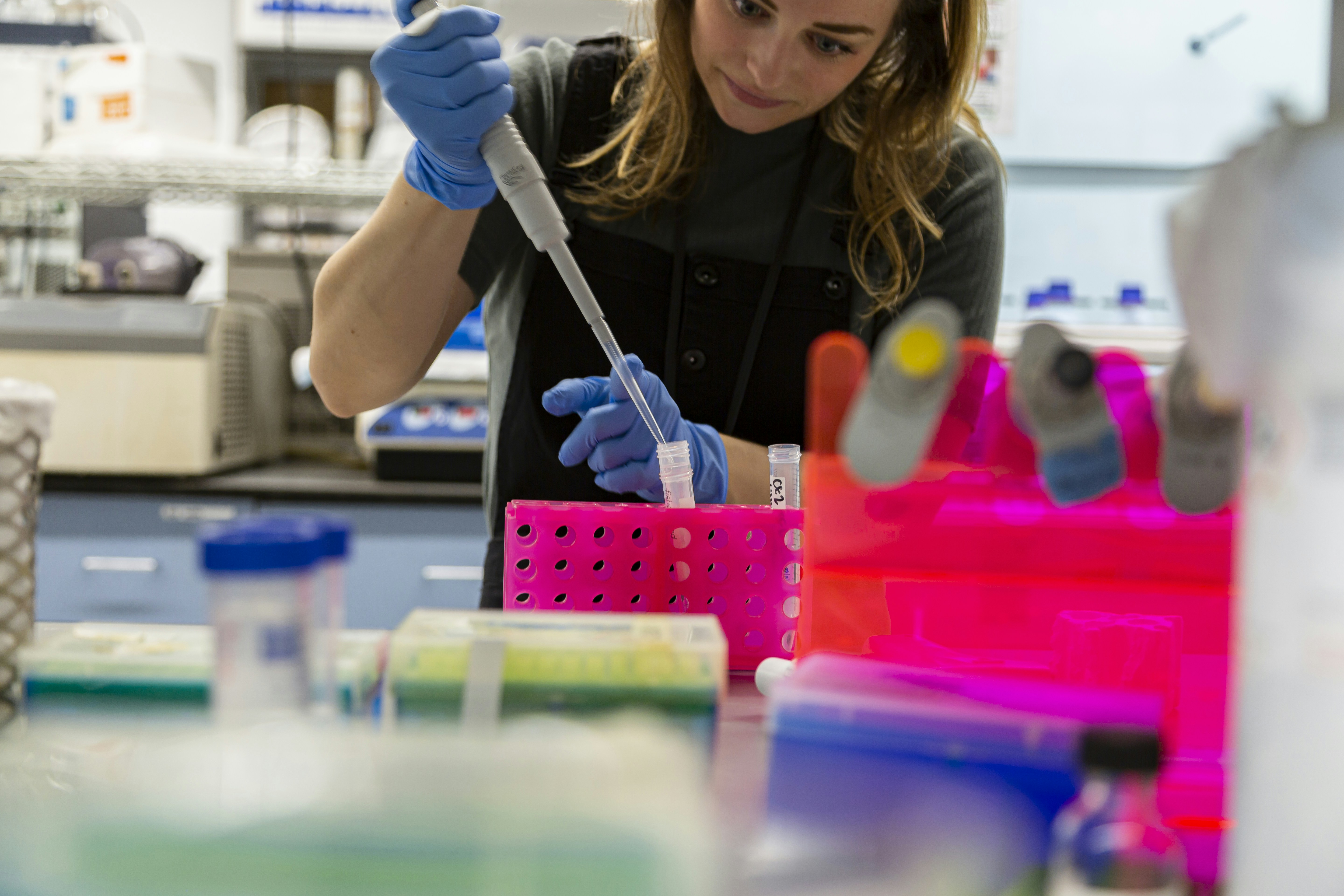
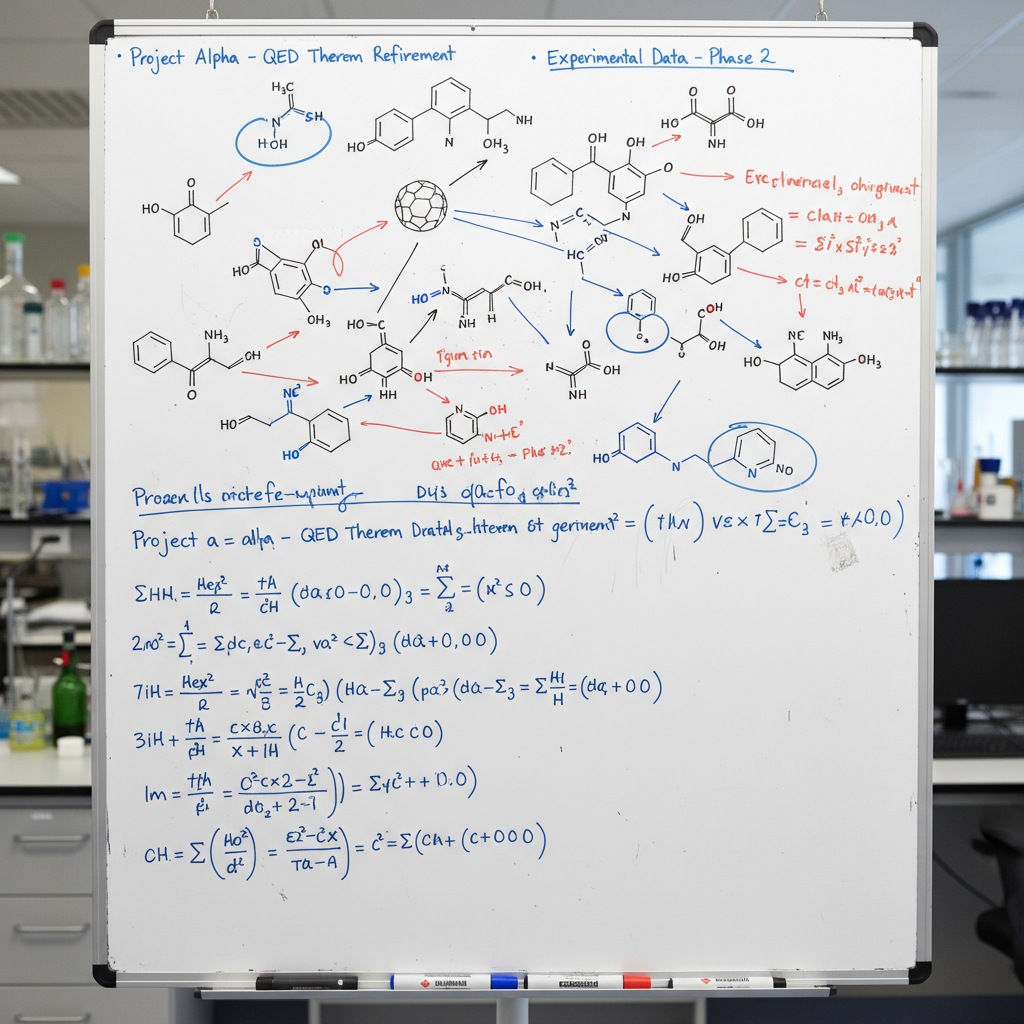
Hope funds the scientists in basement labs at 2 a.m. — the ones chasing cellular mutations that textbooks haven't named yet.
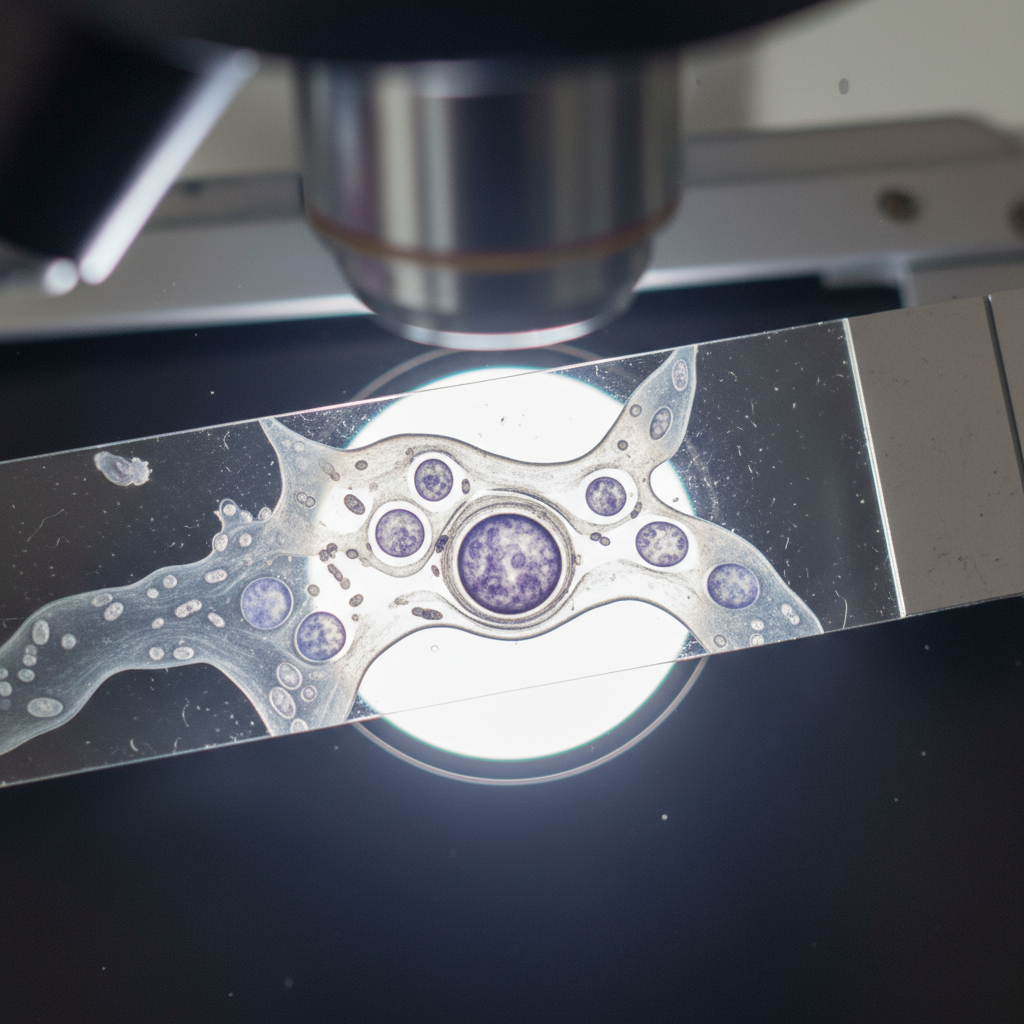
Cancer is not one disease. It's ten thousand diseases, each requiring its own specific answer. The answers exist. They are being found right now, by people working in rooms you will never see, on problems you cannot yet name. Hope finds them. Hope funds them.
The names behind the numbers
Margaret Osei
Elementary school teacher
Columbus, Ohio
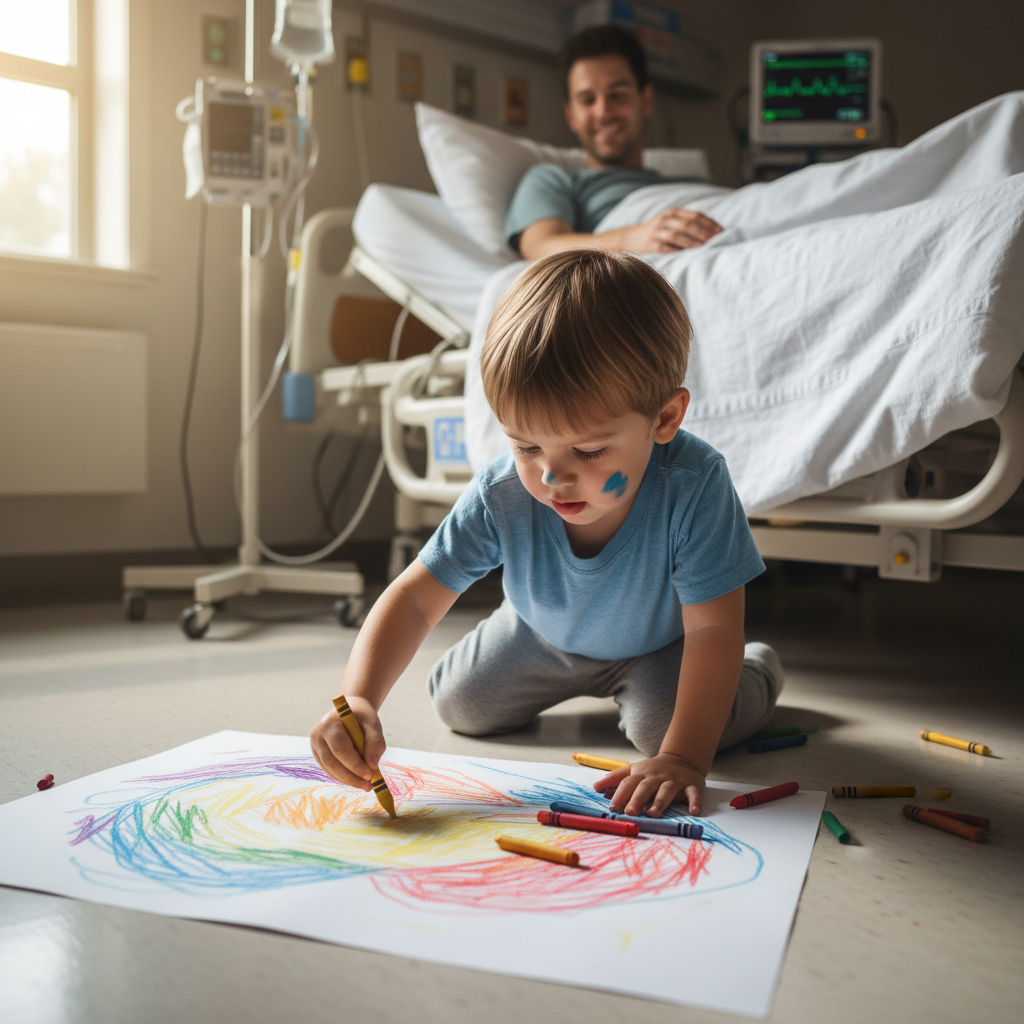
Enrolled in a Hope-funded immunotherapy trial. 28 months later, teaching second grade.
"The researcher who designed that trial got her first grant at 31. Nobody else would fund it."
Dr. Rodrigo Almeida
Oncologist & researcher
Houston, Texas
Hope provided $340K in bridge funding when NIH review stalled. Paper published in Nature Medicine.
"Six months of runway changed the entire trajectory. We would have lost the lab."
The Nakamura family
Legacy donors
Portland, Oregon
Established the Kenji Nakamura Early Detection Fund. Four researchers funded to date.
"We needed his name to mean something that outlasted our grief."
What we believe about how breakthroughs actually happen.
Hope was founded on four convictions. They shape every grant decision we make, every partnership we accept, and every dollar we move.
Breakthroughs happen at the margins, not the center.
The most important discoveries in oncology in the last twenty years came from researchers working outside consensus — people whose grant applications were rejected two or three times before they found funding. We specifically look for those researchers.
The funding gap is a timing problem, not a talent problem.
NIH and NCI review cycles average 9–18 months. A researcher who runs out of runway in month 6 doesn't fail because their science was wrong. They fail because no one was watching. Hope fills that gap with bridge grants in 45 days or fewer.
Transparency is not a feature. It is the foundation.
Every dollar we receive is tracked, attributed, and reported publicly. Donors can see exactly which researcher received their contribution, what it funded, and what it produced. We believe accountability is what makes trust durable.
The patient is the metric that matters.
We measure success in survival curves and quality-of-life outcomes — not publication counts, not institutional prestige, not grant renewal rates. If the science doesn't eventually reach a patient, we consider it incomplete.
These beliefs are not aspirational. They are operational.
Every grant application is evaluated against all four.
The researchers we believe in
These are the people your contribution funds. Not institutions — people. Each profile includes a plain-language explanation of their work, because science that can't be explained isn't science yet.
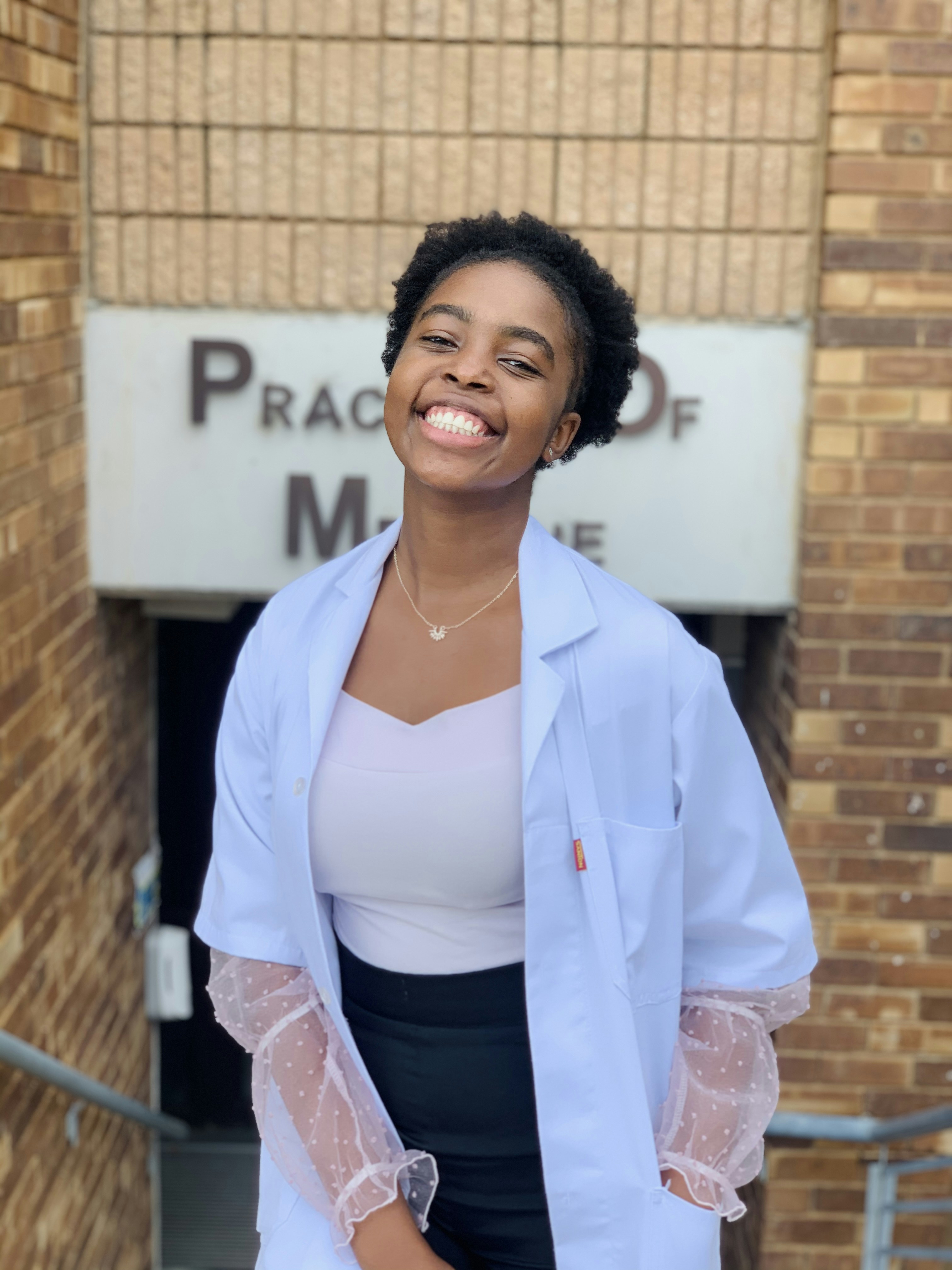
Dr. Priya Venkataraman
Assistant Professor, Molecular Oncology
University of Texas MD Anderson · Houston, TX
Research focus
KRAS G12C mutation suppression in pancreatic ductal adenocarcinoma
In their own words
"Most pancreatic cancers have a specific broken switch — KRAS G12C. I'm trying to find a way to turn it off. We've done it in the lab. Now we need to know if it works in a living system."
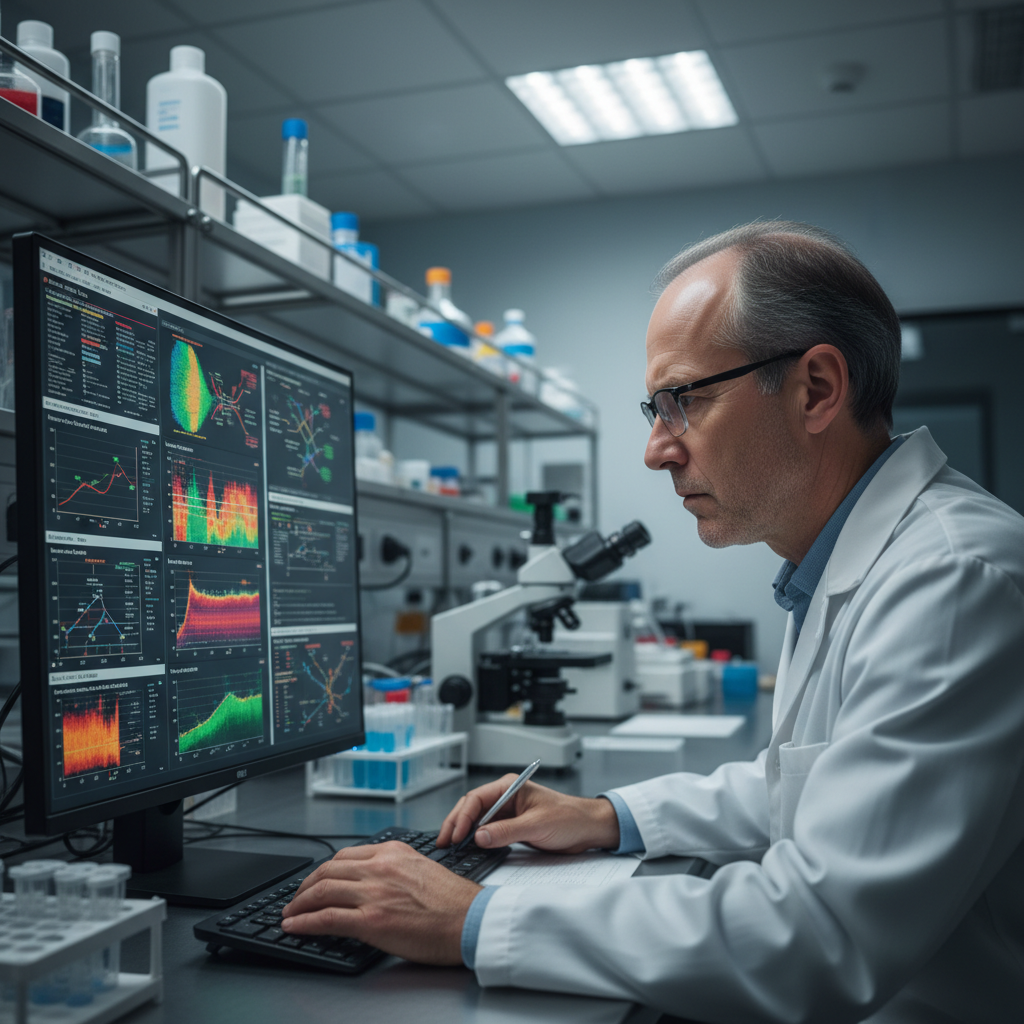
Dr. Marcus Webb
Director, Tumor Immunology Lab
Fred Hutchinson Cancer Center · Seattle, WA
Research focus
CAR-T cell exhaustion reversal in relapsed B-cell lymphoma
In their own words
"CAR-T therapy works brilliantly — for about six months. Then the immune cells get tired and stop fighting. I'm studying why they exhaust, and whether we can wake them back up."
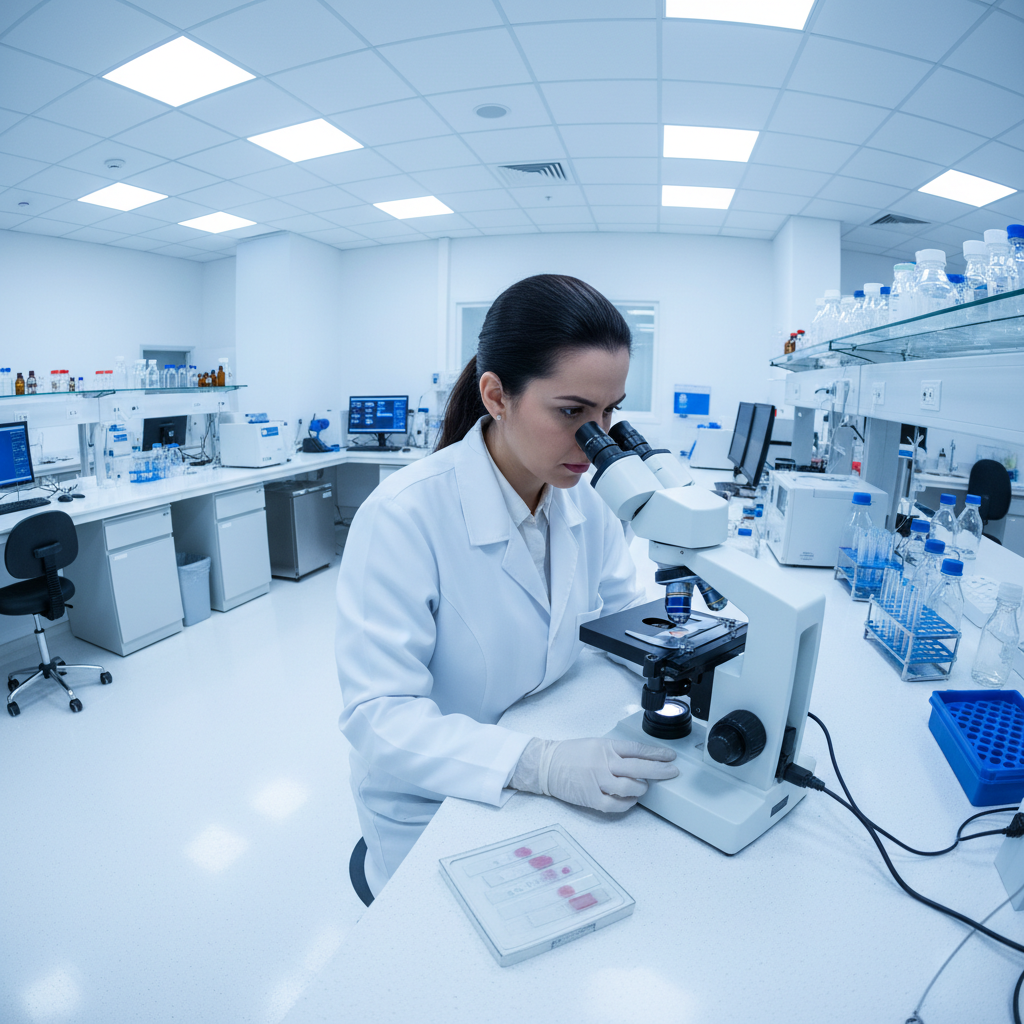
Dr. Aiko Tanaka
Postdoctoral Fellow, Epigenetics
Dana-Farber Cancer Institute · Boston, MA
Research focus
Epigenetic reprogramming signatures in triple-negative breast cancer
In their own words
"Triple-negative breast cancer doesn't respond to hormone therapy. I'm looking at whether we can read the cancer's own instruction manual — its epigenome — to find new targets."
Know a researcher who belongs here?
Oncologists can nominate colleagues for consideration. Our review committee meets quarterly. Applications take 20 minutes.
Start a ConversationExactly where your dollars travel
We publish our full financial statements every year. This is the summary. If you want the full 990, it's linked at the bottom of this page.
Paid directly to researchers. No institutional overhead deducted by Hope.
$22.2M
Lab equipment, reagent costs, and data systems shared across grant recipients.
$2.6M
Independent scientific review panels. No Hope staff sit on review committees.
$2.0M
Staff, legal, accounting, and platform costs. Audited annually by Deloitte.
$1.7M
Start a Conversation
Whether you're nominating a researcher, exploring a major gift, or simply trying to figure out where you fit — this is the right first step. We respond within 48 hours.
2024 Research Impact Report
47 researchers. 12 institutions. 3 FDA pathways opened. Full financials, grant outcomes, and a letter from our Scientific Advisory Board. 64 pages. No marketing language.
- Full grant recipient list with outcomes
- Financial statements & 990 summary
- Scientific Advisory Board commentary
- Five-year research trajectory analysis